Source Pipe Fitting Stainless Steel Flange for Oil Gas Water
Find 30 pipe fitting stainless steel flange options from Chinese manufacturers. Compare welding flanges in 304/316 stainless steel with GOST, DIN, and ANSI standards. Ideal for oil, gas, and water systems; compare the available evidence and request quotations based on your requirements.
Key considerations
Products List




Comprehensive Sourcing Guide
Pipe Fitting Stainless Steel Flange Sourcing Guide
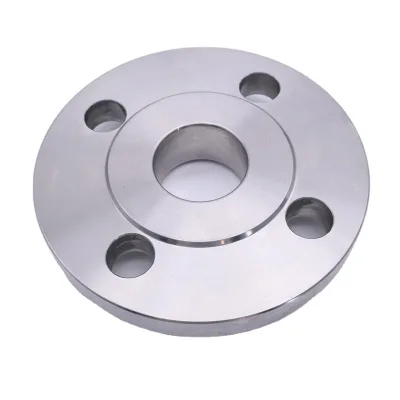
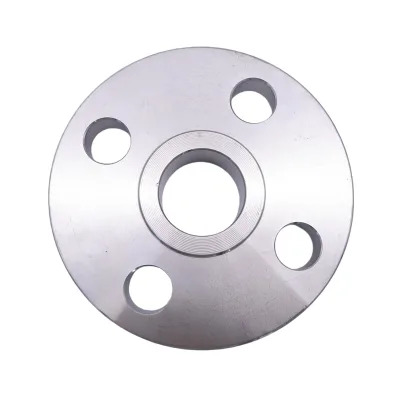
Procuring stainless steel flanges requires a clear understanding of the diverse manufacturing methods and connection types available in the current market. Buyers must distinguish between forged and welded variants, as the production method significantly influences structural integrity and pressure ratings. The observed product range includes flanged connections and welding flanges, each serving distinct pipeline integration needs. Understanding these structural differences is the first step in selecting the correct component for specific industrial applications, ensuring that the chosen fitting aligns with the mechanical demands of the system.
Buyers should also evaluate the customization capabilities offered by suppliers, as standard sizes may not always meet unique project requirements. The market data indicates that customization is available for dimensions, sealing surfaces, and specific material grades like 304 or 316 stainless steel. This flexibility allows for tailored solutions in complex piping systems, but it necessitates precise communication of technical drawings and tolerance requirements. Verifying that a supplier can accommodate custom orders for specific bolt hole diameters and sealing surface types is essential for maintaining system compatibility and operational safety.
Product Scope and Observed Listing Signals
The observed product listings reveal a wide spectrum of flange types, ranging from standard models to specialized adapters with specific model numbers like F-1 or ST37.2. These listings often highlight key attributes such as round section shapes and specific usage scenarios including oil and gas drilling, chemical industries, and food processing. Buyers must carefully cross-reference these listed signals with their actual project specifications, as the presence of a product name does not guarantee it meets the exact pressure or temperature conditions required for a specific application.
Listing signals also include varied packaging methods, from wooden cases to seaworthy packing, which impact logistics and protection during transit. The data shows that some products are listed with specific bolt hole quantities and diameters, while others emphasize general customization. It is critical for buyers to verify that the listed packaging and physical dimensions match the logistical constraints of their destination. Relying solely on the product title or generic keywords without confirming the specific physical attributes can lead to procurement errors and project delays.
Technical Specifications to Verify
Technical verification begins with confirming the material composition, as stainless steel flanges are available in grades such as 304 and 316, each offering different corrosion resistance properties. Buyers must ensure the material grade matches the chemical environment of the pipeline, particularly in industries like chemical processing or food and beverage where contamination risks are high. The observed data confirms the availability of these specific grades, but the buyer must explicitly request material test reports to validate the composition before finalizing any purchase order.
Sealing surface types and machining tolerances are equally critical technical parameters that dictate the performance of the flange connection. The market offers both Flat Face (FF) and Raised Face (RF) sealing surfaces, and the choice depends on the gasket type and flange mating requirements. Additionally, machining tolerances can vary, with some suppliers offering precision up to +/- 0.1mm based on customer drawings. Buyers should specify these tolerances clearly in their technical inquiries to ensure the flanges will fit correctly and maintain a leak-free seal under operating pressure.
Compliance and Safety Documentation
Compliance with international standards is a non-negotiable aspect of sourcing industrial flanges, as these components must withstand rigorous operational stresses. The observed listings reference multiple standards including GOST, GB, DIN, ANSI, BSW, and JIS, indicating that suppliers cater to diverse global markets. However, buyers must verify that the specific flange ordered conforms to the standard required by their local regulations and project specifications. Relying on a supplier's general claim of compliance without requesting the specific standard certificate for the batch can expose the project to significant safety and liability risks.
Safety documentation also includes verification of surface treatments and structural integrity, which are vital for long-term reliability. Products listed with polished surface treatments are often intended for applications requiring high hygiene standards, such as food and beverage processing. Buyers should request documentation confirming that the surface treatment process meets the necessary cleanliness and corrosion resistance criteria. Ensuring that the supplier provides traceable quality records for the surface finish and structural welding is essential for maintaining safety compliance in critical infrastructure projects.
Cost Drivers and Commercial Terms
Cost drivers for stainless steel flanges are heavily influenced by material prices, manufacturing complexity, and the extent of customization required. The observed price range is vast, reflecting the difference between standard off-the-shelf items and highly customized components with specific tolerances or unique sealing surfaces. Buyers should anticipate that custom orders involving specific bolt hole configurations or non-standard dimensions will incur higher costs due to the additional machining and setup time required by the manufacturer.
Commercial terms such as FOB, CIF, and CFR define the financial responsibilities and risk transfer points between the buyer and the supplier. The observed data indicates that these terms are standard in the market, but the specific choice impacts the total landed cost and logistics management. Buyers must carefully calculate the freight costs, which can vary significantly based on the shipping method of air or sea, and the volume of the order. Understanding these terms is crucial for accurate budgeting and ensuring that the procurement process remains within financial constraints.
Supplier Qualification and Quality Control
Supplier qualification involves assessing their manufacturing capabilities, specifically their ability to perform forging and welding processes to the required standards. The observed data highlights that suppliers offer customization and can provide samples, which serves as a preliminary indicator of their technical competence. Buyers should verify the supplier's experience with the specific manufacturing method required for their project, as forging and welding produce flanges with different mechanical properties and pressure ratings.
Quality control procedures must be rigorously defined to ensure that the delivered flanges meet the specified tolerances and material grades. The market data suggests that suppliers can adhere to customer drawings with specific machining tolerances, but this requires a robust inspection protocol. Buyers should establish clear acceptance criteria for dimensions, such as bolt hole diameters and sealing surface finishes, before production begins. Implementing a third-party inspection or requiring pre-shipment quality reports is a prudent step to mitigate the risk of receiving non-conforming products.
Long-Term Procurement Checks
Long-term procurement success depends on establishing a reliable supply chain that can consistently deliver high-quality flanges over time. Buyers should monitor the supplier's ability to maintain consistent quality across different production batches, especially when dealing with custom orders that require specific material grades and tolerances. The observed data indicates that delivery times can vary depending on the situation, so maintaining open communication regarding lead times is essential for project planning and inventory management.
Regular performance reviews of the supplier are necessary to ensure they continue to meet the evolving needs of the project. This includes checking their adherence to agreed-upon standards, their responsiveness to quality issues, and their ability to provide timely samples or replacements. Buyers should also verify that the supplier's export capabilities remain robust, ensuring that products can be shipped globally without logistical bottlenecks. Building a relationship based on consistent performance and clear communication will help secure a stable supply of critical pipe fittings for future operations.
FAQs
How can I get samples of pipe fitting stainless steel flange products before ordering?
Samples can be provided so you can verify material, dimensions, and sealing surface quality before committing to bulk production. Sample availability and turnaround depend on the specific flange type, such as welding flanges or flange adapters, and on current production schedules. Discuss sample quantities, freight method, and whether sample costs apply when you first contact the factory with your drawing or standard requirement.
What stainless steel grades are available for pipe fitting stainless steel flange products?
Flanges are manufactured in stainless steel, with 304 and 316 among the grades listed for flange adapters, and models such as 316 and S34778 appearing in product listings. Available grades vary by listing, so confirm the exact grade and applicable standard for your order. If you need a specific grade, customization is available and drawings can be followed during forging and machining.
Which standards do the listed stainless steel flanges comply with?
Listed standards include GB, DIN, ANSI, JIS, GOST, and BSW, though individual products may follow only a subset of these. Tolerances depend on the chosen standard, and some listings allow customization. Always confirm the required standard, pressure class, and flange face such as RF or FF with the supplier before placing an order, since compliance details differ between products.
What sizes and bolt hole configurations are available for these stainless steel flanges?
Listed sizes range from DN12 to DN100 on some flange adapters and 1/2 inch to 64 inches on other welding flanges, with outer diameter customization offered. Bolt hole diameters range from 11 mm up to 110 mm, and bolt hole quantities of 4, 6, 8, 10, 12, 14, 16, and 20 are listed. Confirm the exact combination matching your pipe system and standard.
Can the flanges be customized to my drawings and specifications?
Yes, customization is available. Manufacturers can produce flanges according to customer drawings with machining tolerances up to plus or minus 0.1 mm, and forging is the stated manufacturing method. Provide your drawing, required standard, size range, and sealing surface type such as RF or FF. Custom outer diameters and custom standards are also offered, and samples can be provided for validation before mass production.
How are stainless steel flanges packed and shipped for export orders?
Packing options include wooden cases, bundles, seaworthy packing, and inner plastic bags combined with cartons and pallets, with standard export packaging also listed. Shipping can be arranged by air or sea, and exports go worldwide. Trade terms such as FOB, CIF, and CFR are available. Delivery time depends on the situation, so confirm the schedule with the factory when finalizing your order.
What is the typical minimum order quantity for stainless steel flanges?
Minimum order quantities vary across the product listings, ranging from as low as 1 piece up to 1000 pieces, and one flange adapter listing states an MOQ of 10 pieces. The actual MOQ depends on the specific product, size, and customization level you require. Contact the supplier with your exact specification to confirm the applicable MOQ and factory pricing.
Which industries and applications use these stainless steel flange products?
Listed applications include machinery, chemical, oil and gas drilling, construction and decoration, food, beverage and dairy processing, and special purpose uses, along with water pipe systems in flange adapter listings. Stainless steel construction supports corrosion resistance requirements in these environments. Verify that the chosen grade, standard, and sealing surface suit your specific media, pressure, and temperature conditions before ordering.